




 +353 24 904 96

What does LED stand for?

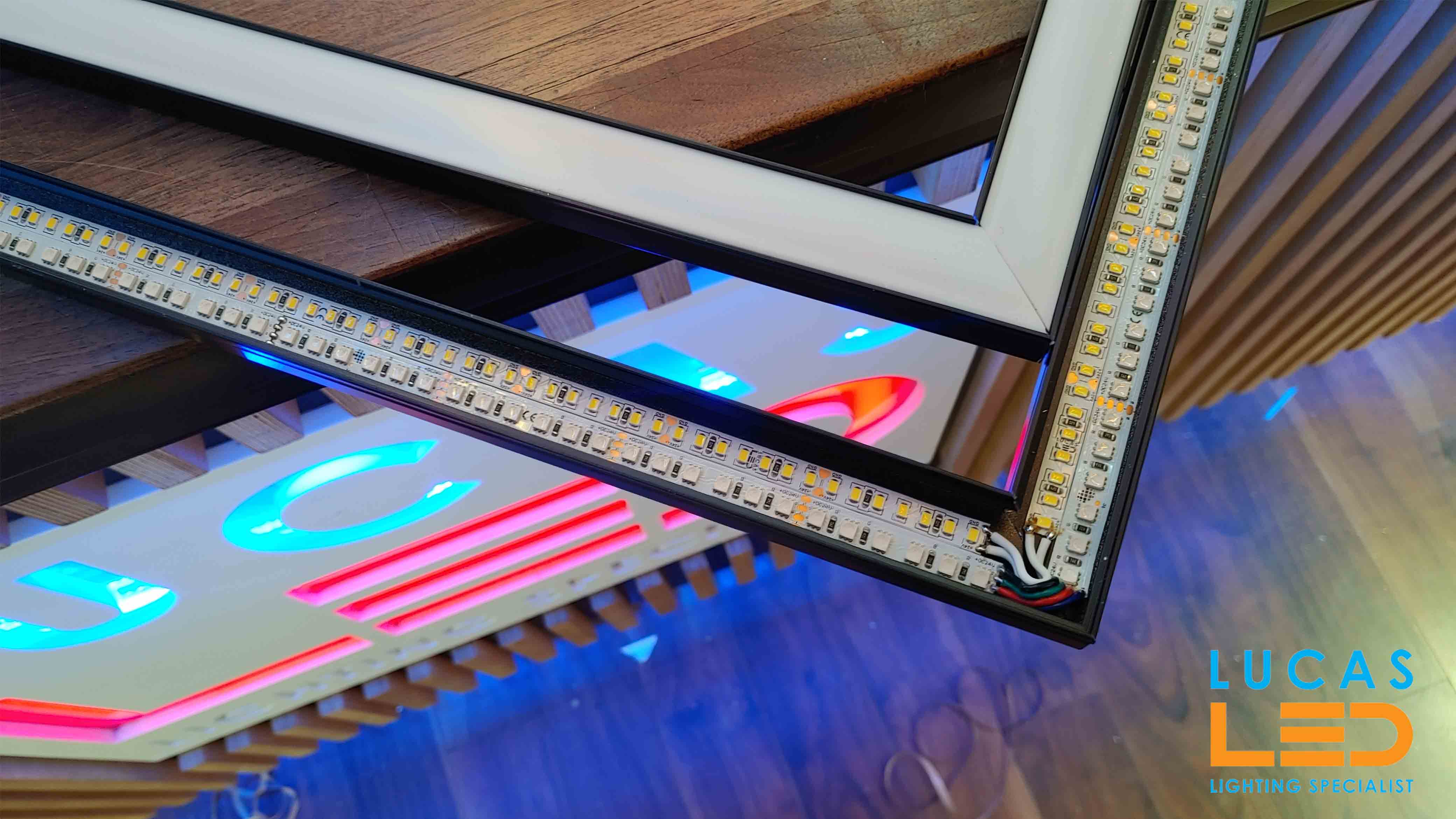
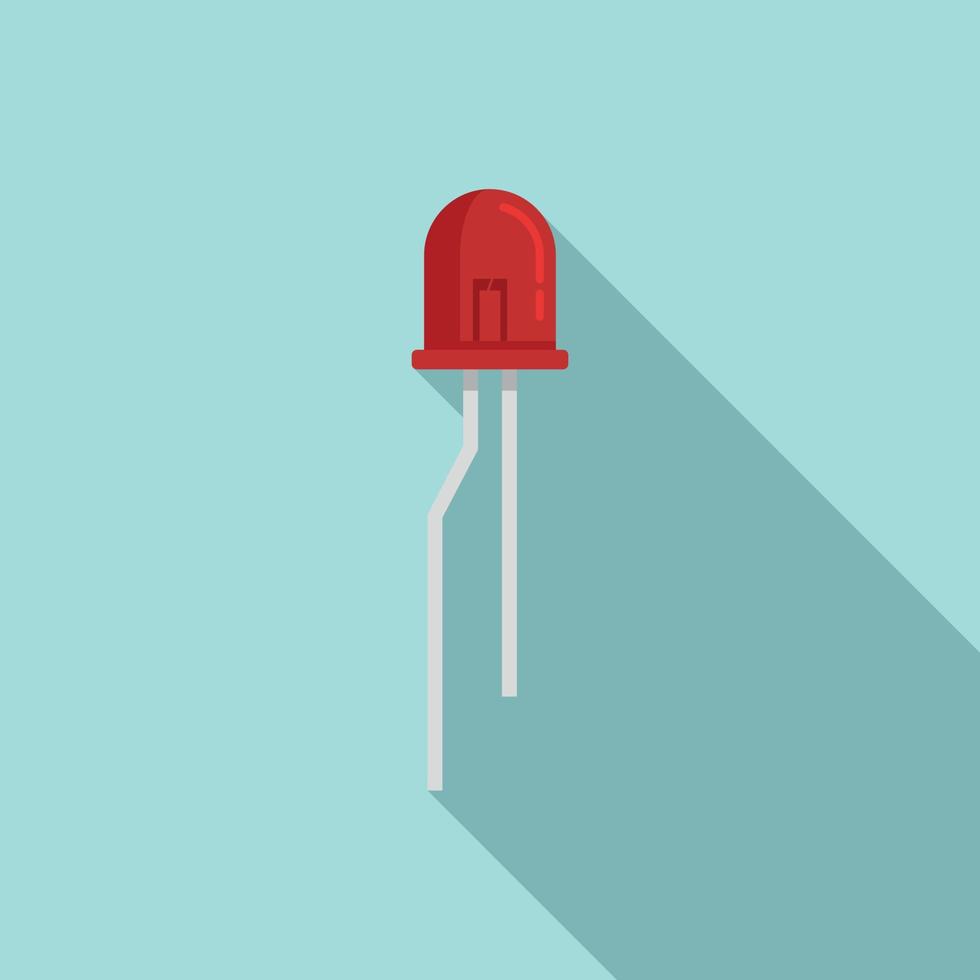
LEDs are everywhere these days — from the lights in your ceiling to the ones in your car or phone. But have you ever wondered what the term LED actually means? The answer is simple: LED stands for "light emitting diode". It’s a type of electronic device that emits light when an electric current flows through it in the right direction.
Over the years, LED lighting products have become extremely popular because they’re more energy efficient, last much longer than traditional light bulbs, and come in many shapes, sizes, and colors. Thanks to modern LED technology, we now enjoy brighter, safer, and more cost-effective light sources in our homes, offices, and public spaces. In this article, we’ll explain how LEDs work, how they compare to other types of bulbs like incandescent light bulbs and compact fluorescent lighting, and why they’re such a smart choice for everyday lighting needs.
Breaking down the term "Light Emitting Diode"
The name "light emitting diode" might sound technical, but it's easy to understand. Let’s break it into parts:
- "Light emitting" means that the device gives off, or emits light.
- A "diode" is a small semiconductor device that allows electricity to pass through it — but only in one direction.
So when we say LED, we’re talking about a semiconductor diode that produces visible light when an electrical current passes through it. Unlike incandescent lights, which create light by heating a wire filament, LEDs produce light using a completely different method that doesn't waste energy as heat.
This simple but clever design makes led bulbs incredibly efficient and reliable. Diodes like this have been used for decades in all kinds of electronics, from indicator lights on radios and TVs to the screen in your smartphone.
How do LEDs produce light?
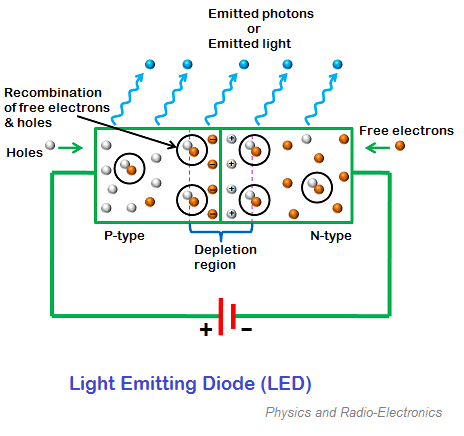
Here’s how it works: Inside every LED is a material called a semiconductor. It has two sides — a p-type (positive) and an n-type (negative). When an electric current flows through the LED, electrons from the negative side move toward the positive side. When these electrons meet electron holes, they release energy in the form of photons. These photons are what we see as visible light.
The color of the light — red, green, blue, or even white — depends on the materials used in the diode. For example, red LEDs and blue LEDs are made from different types of semiconductors. Some LEDs are coated with a phosphor material, which helps them produce white light from blue or ultraviolet light.
Because of this design, LEDs can produce light in different colors, and they don’t waste much electricity. That’s why they’re more efficient than traditional incandescent bulbs or even CFLs. Plus, they’re great for things like task lighting, outdoor lighting, or small tiny light sources used in electronics.
LED lighting vs. traditional lighting technologies
LED vs. incandescent bulbs
Let’s start by comparing LED bulbs to the old-fashioned incandescent light bulbs. Incandescent bulbs work by sending electricity through a thin wire (called a filament) until it gets so hot that it emits light. But there’s a big problem — about 90% of the energy used by an incandescent bulb is lost as heat, not light. Only 10% actually becomes visible light.
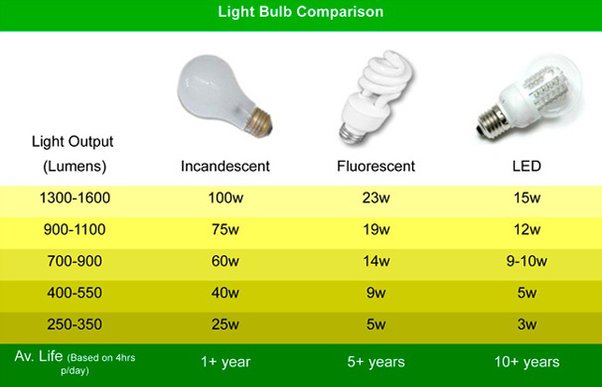
LEDs, on the other hand, produce light using a completely different method. They don’t rely on heat to shine. Instead, they use a semiconductor diode that converts electric current directly into light. This is why LED lighting is so much more energy efficient. In fact, according to the U.S. Department of Energy, Energy Star-rated LED products use at least 75% less energy and last up to 25 times longer than traditional incandescent bulbs.
So, when we say unlike incandescent, we really mean it — LEDs offer higher brightness, better light output, and far less wasted energy. Plus, LEDs are safer, since they don’t get nearly as hot.
LED vs. compact fluorescent lighting (CFL)
For a while, compact fluorescent lighting (CFL) was seen as a better alternative to incandescent lights. CFLs work by sending an electric current through a tube containing gas and a phosphor material, which then glows to produce light. While CFLs are more efficient than incandescent bulbs, they still fall short compared to LED technology.
Here’s why: LED bulbs last about twice as long as CFLs. They also turn on instantly (no flickering or warm-up time), and they don’t contain mercury, which makes them safer and easier to dispose. From an energy perspective, LED lighting products use less power and have better thermal management, so they don’t overheat like CFLs sometimes do. LEDs also handle lumen depreciation better. This means the brightness of an LED stays more consistent over time, while CFLs tend to dim the longer you use them. That’s a key factor when choosing lighting for long-term or task lighting purposes.
In short, when you compare LEDs with CFLs and incandescent bulbs, the choice is clear: LEDs offer superior performance, lower energy use, and a much longer useful life.
Why LEDs are so popular – Key benefits
Energy efficiency and longevity
One of the main reasons why LED lighting has become so popular is because of how little electricity it uses. Compared to traditional light bulbs, LEDs offer a much more energy efficient way to produce light. While incandescent lights waste most of their energy as heat, LEDs use their power to make visible light more directly and effectively.
This means LED bulbs are cheaper to run and better for the environment. According to experts, LED lighting products can use up to 75% less energy than traditional incandescent bulbs. They also last much longer — on average, LEDs have a useful life of about 25 times longer than standard bulbs.
This long life is possible thanks to advanced thermal management systems inside the bulb, including components like a heat sink that helps keep the device cool. Good thermal management prevents damage and slows down lumen depreciation, so the brightness stays consistent over time.
In short, if you're looking for an efficient light source that saves you money and lasts for years, LED products are the smart choice.
Compact size and versatility
Another great thing about LED technology is that it’s incredibly flexible. LEDs are tiny light sources, which means they can be used in all kinds of settings — from massive outdoor billboards to the smallest indicator lights in electronic devices. Their compact size makes it easy to build them into all sorts of products.
Need to light up a workspace? LEDs are perfect for task lighting because they can direct light exactly where you need it. Want to brighten your driveway? Outdoor lighting using LED bulbs is weather-resistant, durable, and reliable. Even your car headlights, TV screen, and smartphone use different types of LED lighting.
And it’s not just about functionality—LEDs are available in many different colors, three colors being most common: red, green, and blue. Using combinations of these primary colors, manufacturers can create leds with a wide color temperature range, from warm white to cool daylight. Some LED lighting products even let you change the color or brightness with a remote control or smartphone app.
This versatility is one of the key reasons led products have found widespread use in homes, offices, stores, vehicles, and more.
How do LEDs compare in real life use?
General lighting at home and work
When it comes to everyday lighting, LED lighting has quickly become the top choice for homes and offices. Whether you're replacing a traditional light bulb in a living room lamp or installing overhead lights in your workspace, LEDs offer better performance, lower energy use, and a longer lifespan.
You can now find led bulbs in nearly every shape and socket size imaginable. They’re ideal for general lighting—from kitchens and bedrooms to hallways and garages. Plus, their wide range of color temperature options makes it easy to set the right mood or ambiance in any room.
Unlike traditional incandescent bulbs, which burn out quickly and waste energy, led lighting products give you consistent light output and significant cost savings over time. They also work great with dimmer switches, allowing you to control brightness based on your needs.
In short, whether you're working, reading, cooking, or just relaxing, LED bulbs give you more light for less power.
Outdoor lighting and signage
LED technology isn’t just for indoors—it’s also perfect for the outdoors. Outdoor lighting needs to be reliable, weather-resistant, and bright enough to ensure safety. LEDs check all these boxes. They are tough, long-lasting, and don’t mind rain, snow, or heat.
You’ll often see led lighting used in street lamps, parking lot lights, garden lights, and porch fixtures. Thanks to their tiny light sources, LEDs can also be arranged into creative and eye-catching shapes, making them a popular choice for outdoor signs and decorative lighting.
In addition to being practical, led bulbs used outdoors are also energy-saving. Traditional systems like incandescent lights or CFLs waste a lot of power and need frequent replacement. With LED lighting products, you get reliable light output with much less effort and cost over time.
Whether you’re lighting up a backyard path or running a business sign all night, LEDs offer the best balance of brightness, durability, and efficiency.
Why LEDs are lights of the future - Conclusion
To sum it all up: LED stands for "light emitting diode", a simple yet powerful electronic device that is changing how we produce light. Unlike traditional incandescent bulbs, which waste energy as heat, LEDs use advanced semiconductor technology to create visible light efficiently and with very little energy loss.
Because they’re compact, long-lasting, and available in three colors and many brightness levels, led lighting is ideal for everything from task lighting to outdoor lighting, and even the smallest indicator lights. They’re safer, smarter, and simply more advanced than older lighting options.
From their ability to produce white light using phosphor material, to their minimal lumen depreciation, to their superior thermal management, LEDs offer advantages that go far beyond just saving money on electricity.
With the continued development of led technology—including innovations like organic light emitting diode (OLED)—the future of lighting is not just bright... it's efficient, flexible, and full of possibility.
So whether you're upgrading your home, your workplace, or your entire lighting system, switching to led bulbs is one of the easiest and most impactful changes you can make today.