





 +353 24 904 96

PIR Sensor
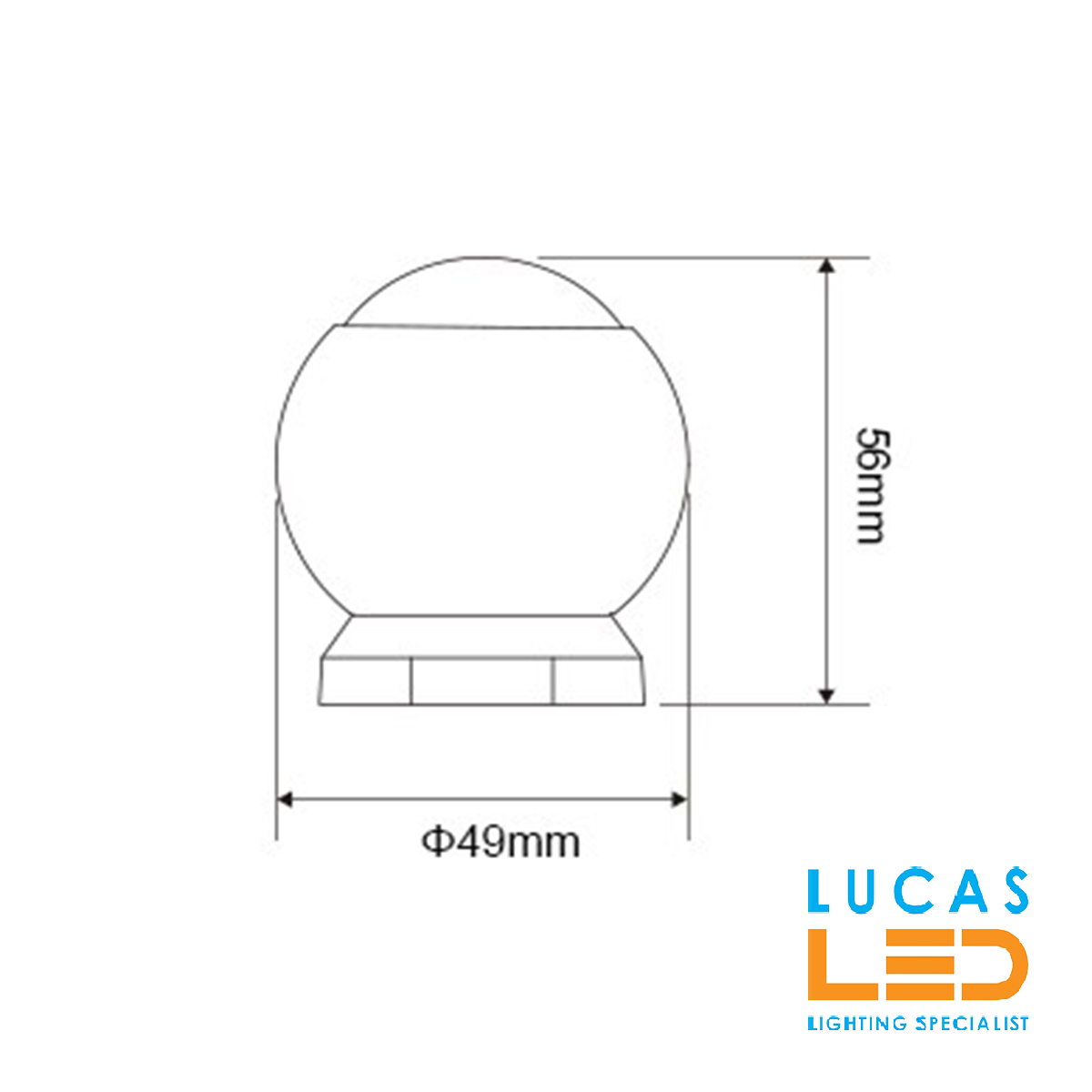
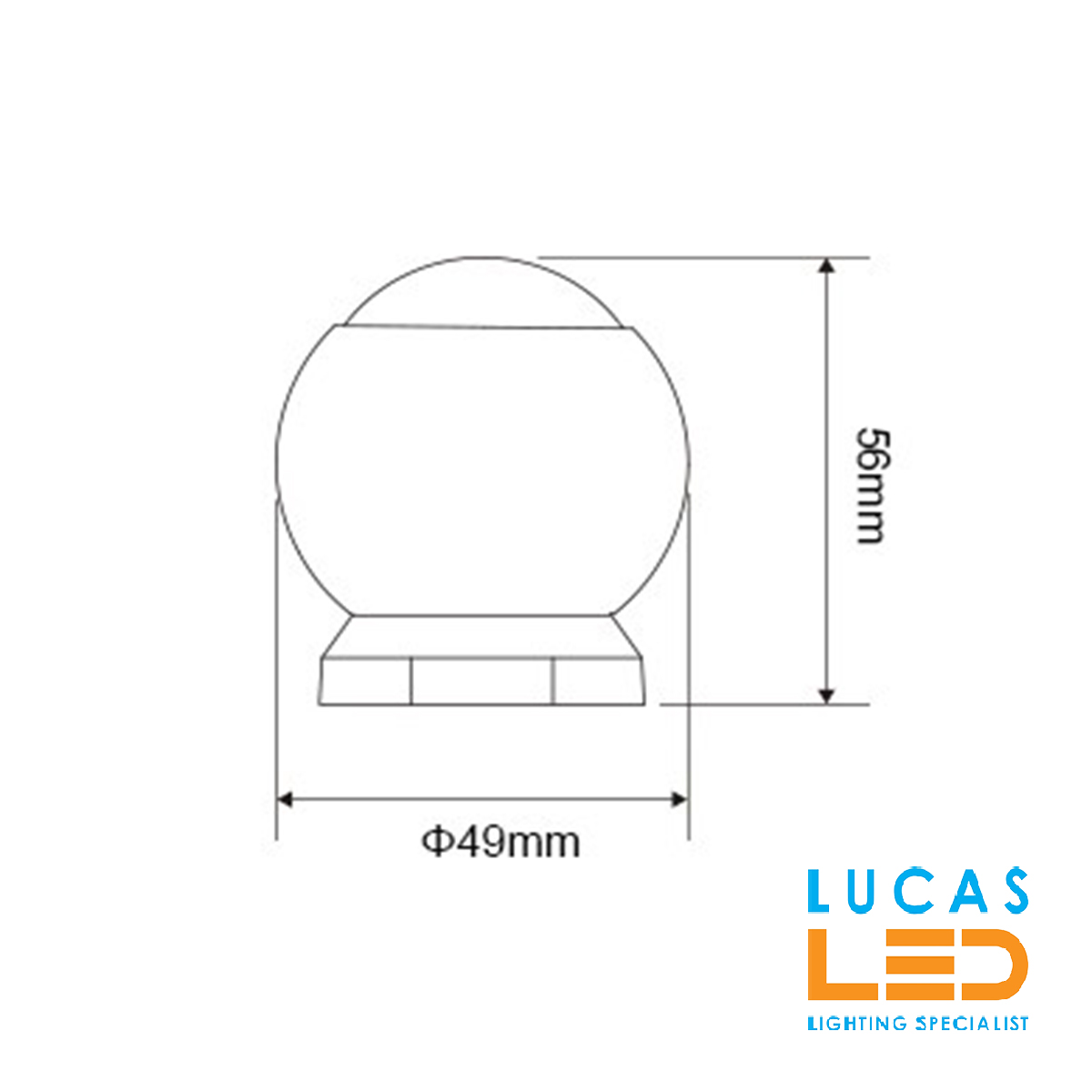


Imagine your lights turning on automatically when you walk into a room and off again when you leave – like magic! That’s the convenience PIR (Passive Infrared) sensors bring to your smart LED lighting. These clever little devices are all about making your life easier, saving energy, and adding a touch of modern comfort to your home. If you're looking to upgrade your space with automatic lighting applications, our PIR motion sensors are the perfect starting point for a truly responsive home.
What are PIR motion sensors and why you'll love them
A PIR sensor, or motion sensor as it's commonly known, is a smart device designed to detect movement. It works by sensing the subtle changes in heat that people and pets give off as they move. Think of it as a silent watchman for your rooms; when someone enters its detection zone, the PIR motion sensor instantly recognizes this motion and tells your connected smart lights to turn on. When the room is empty again, it signals the lights to turn off.
Why will you love them?
- No more fumbling for light switches in the dark or worrying if you’ve left the lights on.
- By ensuring lights are only on when needed, these sensors help reduce your electricity bill.
- Enjoy lighting that anticipates your needs, making your home feel more welcoming and intuitive. It’s a simple way to make your daily routines smoother with practical home automation.
Convenience, energy savings and peace of mind
PIR motion sensors offer a range of benefits that go beyond simple convenience. They are a cornerstone of modern automatic lighting applications for good reason.
- Ultimate convenience: This is the most immediate benefit. Detecting motion to automatically control your lights means one less thing to think about. Perfect for hallways, bathrooms, closets, or any area where you often pass through or have your hands full.
- Significant energy savings: By diligently turning off lights in unoccupied areas, PIR sensors help eliminate wasted energy. Many models also feature a built-in light sensor (or illuminance sensor), which means they only trigger the lights if it's actually dark enough, further optimizing power consumption.
- Added peace of mind: While not a full security system, the automatic activation of lights when movement is detected can act as a deterrent. It also means you're less likely to stumble in a poorly lit room. Their reliable detection helps avoid false alarms when set up correctly.
These sensors are designed for indoor use and help create a truly smart and responsive environment, making your homework better for you.
Choosing the right PIR sensor - simple things to consider
Selecting the best PIR sensor for your needs doesn't have to be complicated. Here are a few easy things to keep in mind:
- Power source - many PIR motion sensors are battery powered, often using common AAA batteries (sometimes two AAA batteries are all that's needed). This makes them incredibly easy to install almost anywhere – just mount them on a wall or shelf. Look for good battery life to minimize how often you need to change batteries, avoiding frequent battery replacements. Some options might be mains powered, meaning they plug into an outlet and you never have to worry about batteries.
- Connectivity - for smart features, your sensor needs to talk to your lights. Zigbee motion sensors are a popular choice as Zigbee is a reliable technology known for low power use, which is great for battery life. These typically connect to a smart home hub. Other sensors might use your home's WiFi network.
- Placement - think about where you’ll put the sensor. You’ll want it in a spot where it can easily detect motion in the desired area but isn't exposed to things that might confuse it, like direct sunlight or a heat vent, to prevent false alarms.
Focus on a reliable sensor that offers a straightforward setup and meets the needs of the specific room you have in mind.
Easy setup and smart home compatibility
Getting your new PIR motion sensor up and running is usually a breeze. Most are designed for quick and easy install and setup. For battery powered devices, it’s often as simple as inserting the battery, mounting the sensor, and pairing it with your smart home system or hub.
These PIR sensors are often compatible with popular smart home platforms like Google Home, Philips Hue, or the SmartThings app, and work well with systems like Home Assistant. This means you can integrate them into wider home automation routines. For example, your PIR sensor can trigger not just your smart LED lights but potentially other sensors or smart devices too.
Ultimately, adding a PIR motion sensor is an easy and effective way to enhance your smart lighting, bringing more convenience, energy efficiency, and intelligent automation to your everyday life.
Imagine your lights turning on automatically when you walk into a room and off again when you leave – like magic! That’s the convenience PIR (Passive Infrared) sensors bring to your smart LED lighting. These clever little devices are all about making your life easier, saving energy, and adding a touch of modern comfort to your home. If you're looking to upgrade your space with automatic lighting applications, our PIR motion sensors are the perfect starting point for a truly responsive home.
What are PIR motion sensors and why you'll love them
A PIR sensor, or motion sensor as it's commonly known, is a smart device designed to detect movement. It works by sensing the subtle changes in heat that people and pets give off as they move. Think of it as a silent watchman for your rooms; when someone enters its detection zone, the PIR motion sensor instantly recognizes this motion and tells your connected smart lights to turn on. When the room is empty again, it signals the lights to turn off.
Why will you love them?
- No more fumbling for light switches in the dark or worrying if you’ve left the lights on.
- By ensuring lights are only on when needed, these sensors help reduce your electricity bill.
- Enjoy lighting that anticipates your needs, making your home feel more welcoming and intuitive. It’s a simple way to make your daily routines smoother with practical home automation.
Convenience, energy savings and peace of mind
PIR motion sensors offer a range of benefits that go beyond simple convenience. They are a cornerstone of modern automatic lighting applications for good reason.
- Ultimate convenience: This is the most immediate benefit. Detecting motion to automatically control your lights means one less thing to think about. Perfect for hallways, bathrooms, closets, or any area where you often pass through or have your hands full.
- Significant energy savings: By diligently turning off lights in unoccupied areas, PIR sensors help eliminate wasted energy. Many models also feature a built-in light sensor (or illuminance sensor), which means they only trigger the lights if it's actually dark enough, further optimizing power consumption.
- Added peace of mind: While not a full security system, the automatic activation of lights when movement is detected can act as a deterrent. It also means you're less likely to stumble in a poorly lit room. Their reliable detection helps avoid false alarms when set up correctly.
These sensors are designed for indoor use and help create a truly smart and responsive environment, making your homework better for you.
Choosing the right PIR sensor - simple things to consider
Selecting the best PIR sensor for your needs doesn't have to be complicated. Here are a few easy things to keep in mind:
- Power source - many PIR motion sensors are battery powered, often using common AAA batteries (sometimes two AAA batteries are all that's needed). This makes them incredibly easy to install almost anywhere – just mount them on a wall or shelf. Look for good battery life to minimize how often you need to change batteries, avoiding frequent battery replacements. Some options might be mains powered, meaning they plug into an outlet and you never have to worry about batteries.
- Connectivity - for smart features, your sensor needs to talk to your lights. Zigbee motion sensors are a popular choice as Zigbee is a reliable technology known for low power use, which is great for battery life. These typically connect to a smart home hub. Other sensors might use your home's WiFi network.
- Placement - think about where you’ll put the sensor. You’ll want it in a spot where it can easily detect motion in the desired area but isn't exposed to things that might confuse it, like direct sunlight or a heat vent, to prevent false alarms.
Focus on a reliable sensor that offers a straightforward setup and meets the needs of the specific room you have in mind.
Easy setup and smart home compatibility
Getting your new PIR motion sensor up and running is usually a breeze. Most are designed for quick and easy install and setup. For battery powered devices, it’s often as simple as inserting the battery, mounting the sensor, and pairing it with your smart home system or hub.
These PIR sensors are often compatible with popular smart home platforms like Google Home, Philips Hue, or the SmartThings app, and work well with systems like Home Assistant. This means you can integrate them into wider home automation routines. For example, your PIR sensor can trigger not just your smart LED lights but potentially other sensors or smart devices too.
Ultimately, adding a PIR motion sensor is an easy and effective way to enhance your smart lighting, bringing more convenience, energy efficiency, and intelligent automation to your everyday life.
