




 +353 24 904 96

The best color temperature for makeup application

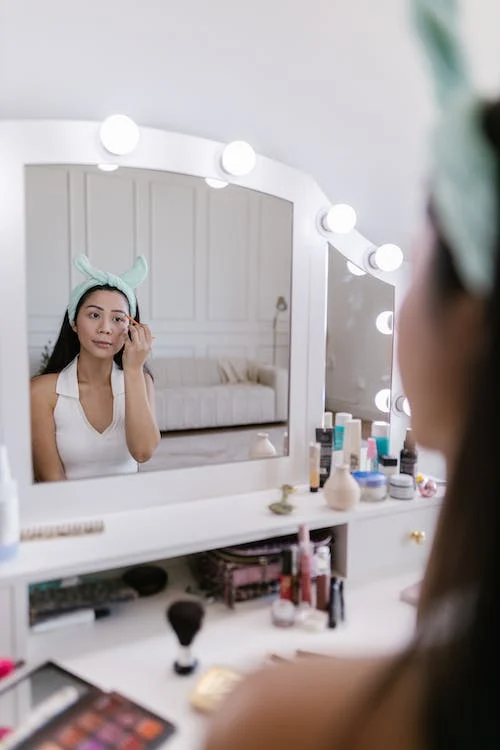
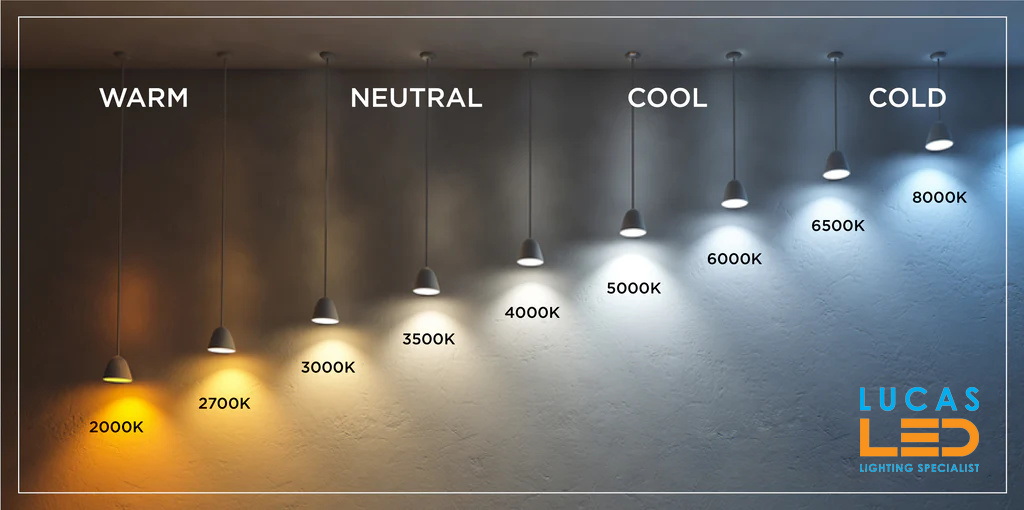
Kelvin degrees (K) indicates the color temperature of the light, how warm or cold a light source can be. Higher Kelving values produces colder and bluer light while lower Kelving values produce warmer and yellower light.
So knowing this, what is the best color temperature for when we apply our makeup? The type of makeup we are going to apply and the environment in which we are going to wear that makeup will decide the answer.
Choosing best light for makeup - the right colour temperature
For everyday makeup application, color temperatures between 4000K and 5000K are usually considered as the right range. Using this range of color temperature, which produces a neutral white light that simulates natural light, you can see the real color of your skin and cosmetics. With this perfect lighting, you can see the true color of your skin and makeup, preventing common lighting mistakes. Applying makeup in warm lighting, such as incandescent bulbs, can create an unflattering orange glow, making your skin tone look sallow and your makeup too yellow. On the other hand, using overly bright or cool artificial lighting, like some fluorescent lights, can cause your face to appear excessively pink or red.
Using LED lights with a high Colour Rendering Index (CRI score) ensures that colors are accurately represented, dramatically improving your makeup game. LED bulbs are also more energy efficient and emit minimal heat, making them perfect lighting options for makeup mirrors and makeup tables.
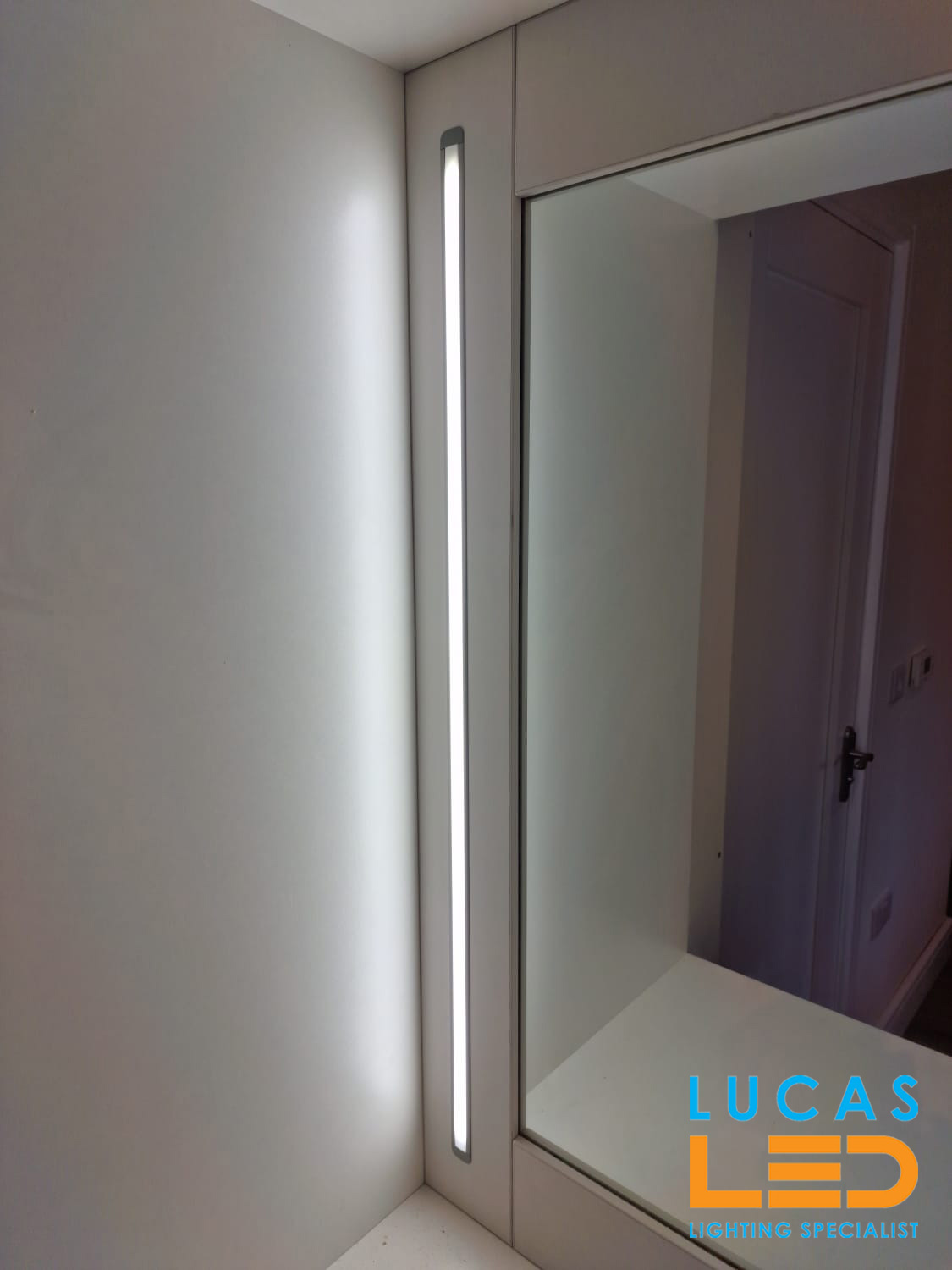
When applying makeup for a special event, such as a wedding or photo shoot, you may want to think about using a color temperature that is a bit warmer, approximately 3500K. This will give your skin a lovely glow that shows nicely in pictures.
On the other side, a colder color temperature of about 5500K to 6000K may be appropriate if you're applying makeup for an event at night or in low light. This decreases the chance that your makeup may look too warm or orange in low light.
It's important to think about your lighting's brightness and placement in addition to color temperature. Ideally, you need to use a light source that is exactly the same all over your face. The shadows that can be produced by lights directly above or below your face should be avoided.
Natural daylight vs. artificial lighting
Natural daylight remains the gold standard for makeup lighting because it reveals the true visible light spectrum. Natural sunlight evenly illuminates your face, clearly displaying your makeup's colors and textures. Positioning your makeup mirror near a window during the day can significantly enhance your makeup application, as natural sunlight offers an accurate representation of how your makeup will appear outdoors.
However, when natural sunlight isn't available, it’s crucial to mimic natural daylight using artificial lighting. Quality artificial lighting, such as ring lights or Hollywood mirrors equipped with LED bulbs, can replicate natural daylight conditions closely. A ring light, commonly used by makeup artists, provides an even, shadow-free light source that ensures a flawless makeup application.
In spaces lacking ample daylight, integrating multiple light sources is beneficial. For instance, combining ceiling fixtures with a strategically placed floor lamp can ensure balanced brightness throughout your space. Opt for light fixtures that allow brightness adjustment, giving you full control over illumination intensity depending on your needs.
When selecting artificial lighting, avoid bulbs that produce excessive heat or uneven brightness. Instead, choose energy-efficient, bright LED bulbs that deliver consistent, neutral white light. Proper lighting not only improves your makeup application but also enhances your overall skincare routine by clearly revealing details and textures.
Bad lighting
Common lighting mistakes involve using incorrect light bulbs, relying solely on overhead lights, or positioning lights incorrectly, leading to harsh shadows. Overhead lighting tends to cast shadows downward, highlighting imperfections and uneven skin textures. Similarly, lighting from below can distort facial features, creating an unnatural and unflattering appearance.
Aim for balanced, warm-to-neutral lighting conditions that simulate natural daylight as closely as possible. The right lighting eliminates harsh shadows and provides an even illumination across your face, significantly elevating your makeup results.
Summary
In conclusion, neutral white light between 4000K and 5000K is the best color temperature for applying cosmetics. But the specific color temperature you pick will depend on the type of makeup you'll be applying and the lighting you'll be wearing it in. You can make sure that your makeup looks flawless in any situation by taking the time to select the right lighting for application.