




 +353 24 904 96

How long do LED strip lights last?

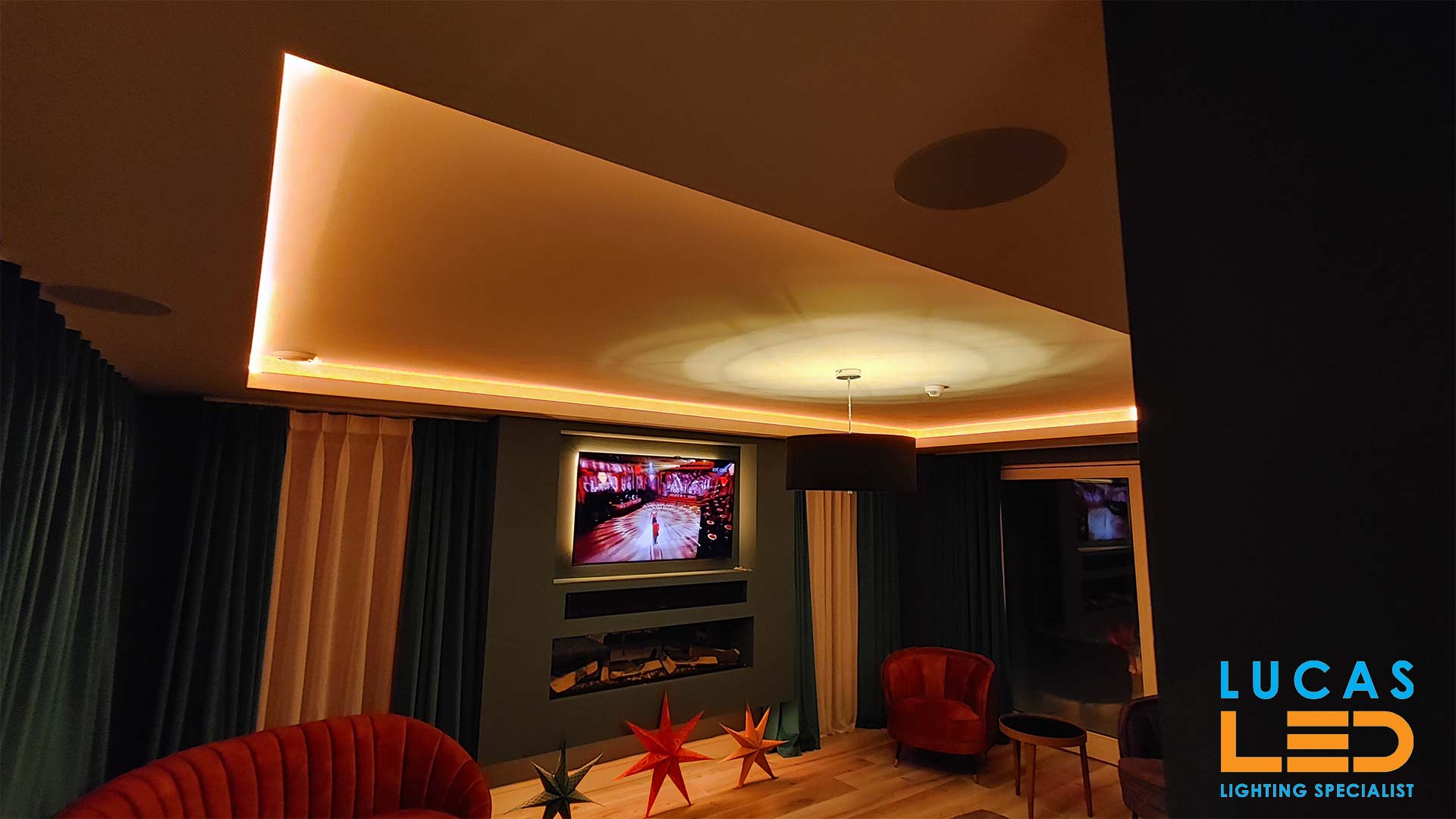
How long do LED strip lights last? Understanding the lifespan of LED technology
One of the most common questions from users considering LED strip lights for home or commercial use is: How long do LED strip lights last? The average lifespan of an LED strip is significantly longer compared to traditional light sources. Unlike incandescent bulbs, which may burn out after only 1,000 hours of use, LED light strips typically operate anywhere between 10,000 to 50,000 hours, and in some advanced models, even more.
What affects the lifespan of LED strip lights?
The lifespan of LED strip lights depends on several key factors:
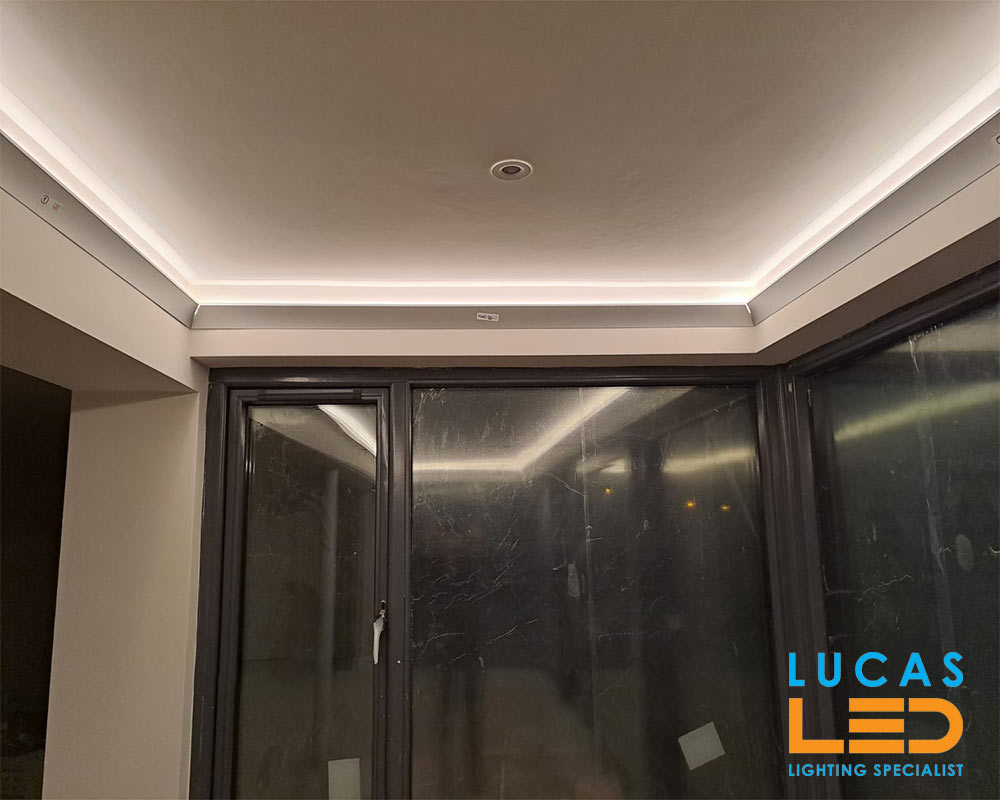
- Heat generation and dissipation: Excessive heat is one of the main threats to LED technology. While LEDs behave differently than incandescent lights, they are still vulnerable to heat. Using aluminium LED profiles can drastically improve thermal conductivity, allowing heat to dissipate efficiently and extending the strip light's lifespan.
- Power supply quality: A poor quality power supply can lead to power surges, voltage instability, and even complete LED failure. Choosing the right power supply ensures the LED circuit operates within safe limits and maintains its initial light output over time.
- Materials and build quality: Higher-quality LED products—especially those built on a flexible printed circuit board with enhanced copper content—offer better durability and heat resistance.
What else can affect a strip light's lifespan?
The lifespan of a LED strip is influenced not only by the quality of its components or materials but also by several often-overlooked external factors. One such factor is the adhesive backing used to mount the strip. If the double sided tape begins to lose adhesion over time, the strip can detach from the surface, causing it to hang loosely. This may result in poor heat dissipation, allowing excessive heat to build up, which in turn can significantly shorten the overall LED lifetime.
Environmental conditions also play a crucial role. High humidity, dust, and exposure to moisture can degrade LED light strips, especially if they are not properly sealed. For this reason, it is essential to use waterproof LED strips in areas like bathrooms, kitchens, or outdoor installations. These strips are designed to resist environmental stressors, preserving both safety and functionality over time.
Usage patterns—particularly in terms of brightness and dimming—are another important consideration. Running the strip lights at full light output continuously can accelerate wear and shorten their life. Incorporating features such as dimming LED strips or motion sensors allows users to manage light levels intelligently, reducing strain on the LED circuit and extending the strip light's lifespan.
Lastly, power consumption matters. Opting for a low wattage LED strip in applications like accent lighting not only minimizes energy usage but also reduces the overall heat generated during operation. This makes the lighting system more energy efficient and less taxing on the power supply, contributing to a longer, more stable performance of the LED strip.
How does LED compare to traditional light bulbs?
When comparing LED strip lights to traditional light bulbs, the differences are both significant and practical. One of the most notable advantages of LED technology is its energy efficiency. LED light strips use a fraction of the power required by incandescent bulbs or halogen lights, yet they are capable of producing a brighter light with much lower power consumption. This makes them not only more sustainable but also far more cost-effective in the long run.
Another key difference lies in heat generation. Incandescent bulbs burn extremely hot and release most of their energy as heat, which contributes to both wasted electricity and potential safety risks. In contrast, LEDs behave differently—they operate at much cooler temperatures, making LED strip lights safe to use in a wider variety of environments, including enclosed spaces and heat-sensitive applications.
Durability is also where LED technology truly shines. While incandescent lights and fluorescent lights may only last for a few thousand hours, the lifespan of LED strip lights can be dozens of times longer. A well-manufactured LED strip can provide reliable lighting for tens of thousands of hours, significantly reducing the need for frequent replacements. In fact, a high-quality LED strip’s lifespan can easily surpass 50,000 hours, depending on usage and installation, making them one of the most cost-effective lighting solutions available today.
Thanks to innovations in LED chip design, surface mount technology, and thermal management, LEDs have become the go-to solution for modern lighting needs. Their long life, low heat, and reduced energy usage position them as the superior choice when compared to outdated incandescent bulbs, which are increasingly being phased out worldwide due to their inefficiency.